- ALL
- TRENDING
- PERFORMANCE
- CHARGING
- BATTERY
- DESIGN
- TECH
- NEWS
Electric Mobility Promotion Scheme (EMPS) 2024: Eligibility, Timeline & Benefits
 Oben Electric
 Wed Dec 17 2025
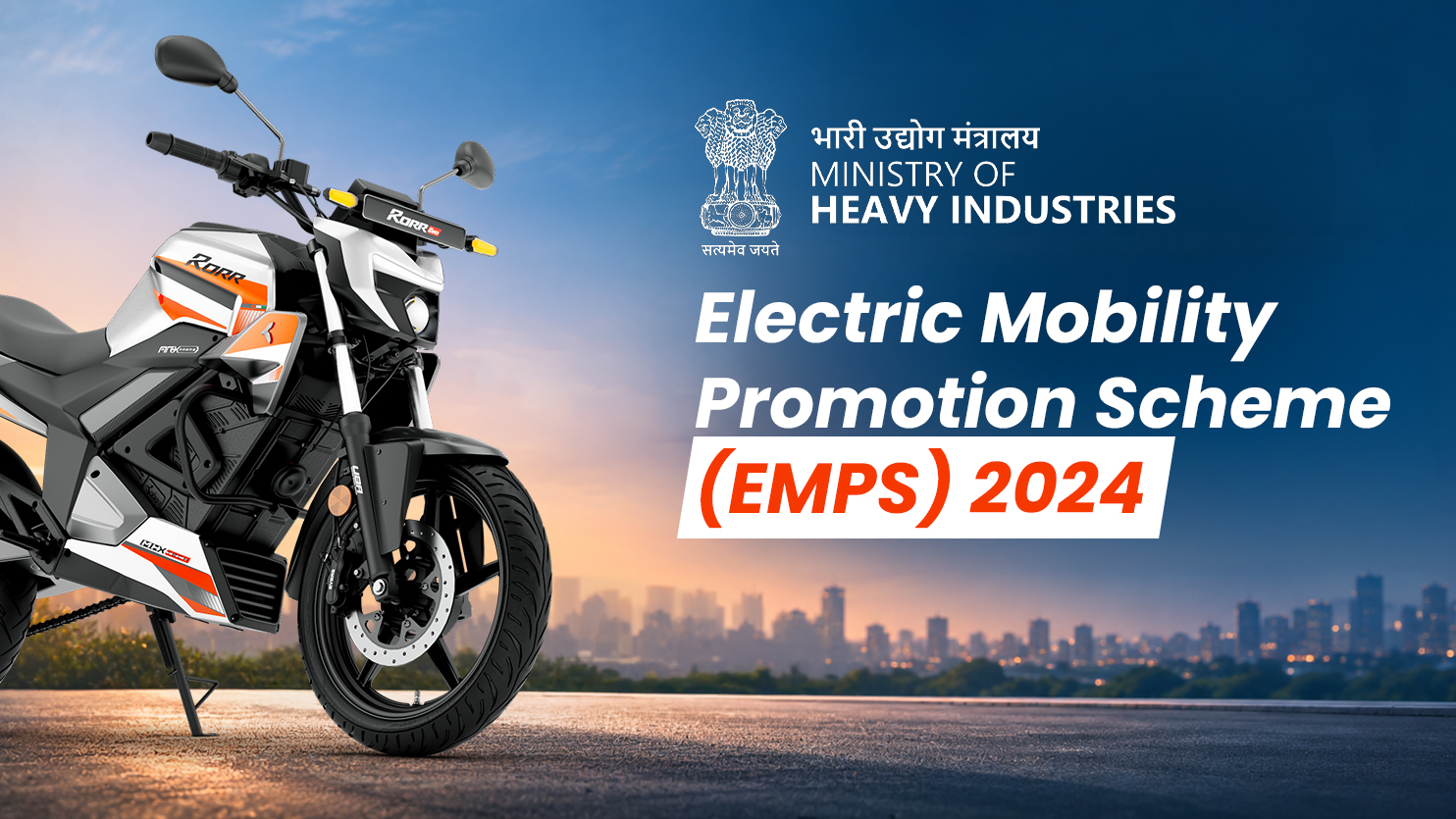
Table of Contents
- Electric Mobility Promotion scheme (EMPS) 2024: Eligiblity, Timeline & Benefits
- What Was EMPS?
- Why Was EMPS Introduced After FAME-II?
EMPS Duration and Budget Allocation
- Which Vehicles Were Covered Under EMPS?
- Eligibility for the Electric Mobility Promotion Scheme
- How Did the EMPS Subsidy Work?
- Purpose of the Electric Mobility Promotioan Scheme
- Importance of Promoting Electric Mobility in India
- EMPS 2024 vs FAME-II vs PM E-DRIVE
- conclusion
Government subsidies have been central to making electric bikes affordable in India. Without them, the price gap between petrol and electric two-wheelers would have significantly slowed adoption. What made India's EV push effective was not just the size of individual schemes, but also the fact that they followed one another without interruption.
When FAME-II ended on 30 March 2024, there was genuine uncertainty in the market. Riders, dealers, and manufacturers were unsure whether subsidies would continue and for how long. The Ministry of Heavy Industries responded by launching the Electric Mobility Promotion Scheme, or EMPS 2024, as a short-term bridge that stepped in the very next day and kept electric bike subsidies running while the next long-term framework was being prepared.
EMPS 2024 has since concluded. The PM E-DRIVE scheme, launched on 29 September 2024, continued the subsidy support for electric bikes from that point.
This blog covers what EMPS was, how the subsidy worked, and where it fits in India's electric bike subsidy timeline.
What Was EMPS?
The EMPS scheme was a short-term central government subsidy programme introduced to bridge the period between FAME-II and India's next long-term EV policy.
The Ministry of Heavy Industries launched this EV subsidy scheme in India to promote green mobility and develop an electric vehicle manufacturing ecosystem.
For electric bike riders, it worked simply. The subsidy was deducted from your invoice at the dealership on the day of purchase.
Why Was EMPS Introduced After FAME-II?
FAME-II ran from April 2019 to March 2024 and was the largest central government push to make electric bikes affordable for everyday riders. By the time it concluded, the EV market had grown significantly but remained price-sensitive. A gap in subsidies, even a short one, risked slowing down the momentum that had been building.
To ensure continuity in the incentivisation of electric two-wheelers, the Ministry of Heavy Industries launched EMPS 2024 immediately after the Electric Vehicles Fame 2 subsidy ended on 31 March 2024. The scheme kept purchase incentives flowing while the government worked on the more comprehensive PM E-DRIVE framework.
The Electric Mobility Promotion Scheme also mandated compliance with the Phased Manufacturing Programme, which requires the indigenisation of EV component manufacturing, thereby strengthening India's electric vehicle manufacturing ecosystem, particularly regarding domestic production and supply chains. This meant that every electric bike sold under EMPS was built with a growing share of domestically manufactured components, making the industry more self-reliant over time.
EMPS Duration and Budget Allocation
EMPS 2024 was originally launched to run from 1 April 2024 to 31 July 2024, with an initial outlay of ₹500 crore. The scheme was later extended by two months and ran until 30 September 2024. To support the additional period, the government increased the total EV subsidy budget to ₹778 crore.
Of that total, ₹333.39 crore was specifically allocated for electric two-wheelers, supporting up to 3,33,387 e-2Ws. That allocation alone shows how central electric bikes were to the scheme's purpose.
EMPS 2024 was a fund-limited scheme. Subsidies for electric bikes were available until the funds were exhausted, the maximum vehicle count was reached, or the scheme's end date arrived, whichever came first.
Which Vehicles Were Covered Under EMPS?
EMPS 2024 was focused specifically on electric two-wheelers and three-wheelers. Electric four-wheelers, buses, and trucks were outside its scope and were addressed under separate frameworks.
Under EMPS 2024, a total of 3,72,215 electric vehicles were supported, including 3,33,387 electric two-wheelers, 13,590 e-rickshaws and e-carts, and 25,238 electric three-wheelers in the L5 category.
Electric two-wheelers made up nearly 90% of the total vehicles supported under the EV subsidy scheme, reflecting where demand was strongest and where the government focused its resources.
The subsidy for electric vehicles is primarily for electric two- and three-wheelers registered for commercial purposes. In addition to commercial use, privately or corporately owned registered electric two-wheelers were also EMPS eligible. So whether you were using your electric bike for daily commuting or commercial delivery, you qualified.
Eligibility for the Electric Mobility Promotion Scheme
To receive the electric bike subsidy, both the vehicle and the rider had to meet the EMPS eligibility criteria.
Your eligibility:
Individual riders, private owners, and corporate entities purchasing electric two-wheelers were eligible
You needed to purchase a brand new electric bike in India from an authorised dealer during the scheme period
The vehicle had to be registered within the validity period of the EMPS certificate
Your bike's eligibility:
The scheme provided incentives only for domestically manufactured and sold electric two-wheelers, with mandatory compliance with the Phased Manufacturing Programme.
To promote local manufacturing, companies were required to set up operational facilities with a minimum Domestic Value Addition of 25% in the same year, extendable to 50% over the next five years from the date of Ministry of Heavy Industries approval.
The vehicle model had to be certified and listed on the EMPS portal by the manufacturer
How Did the EMPS Subsidy Work?
The EMPS subsidy worked as a straightforward upfront price reduction. When you walked into a dealership to buy an eligible electric bike, the subsidy amount was deducted directly from your invoice. You paid the reduced price on that day, and the manufacturer later claimed reimbursement from the Ministry of Heavy Industries.
Under this EV subsidy policy, up to ₹10,000 was provided for each electric two-wheeler.
Here is what that looked like for an electric bike priced at ₹1.20 lakh:
Claims under this government EV subsidy were processed on a first-come, first-served basis, and the scheme closed for a category once the allocated fund or the maximum vehicle count for that category was reached. This made timing important. Riders who acted early in the scheme period had the best chance of securing the full benefit.
Purpose of the Electric Mobility Promotion Scheme
EMPS served a purpose that went well beyond just maintaining subsidy flow after FAME-II.
The scheme aimed to further accelerate EV adoption in the country, advance the Government of India's green initiatives, and foster the growth of the electric vehicle manufacturing ecosystem.
For electric bike riders specifically, the scheme meant:
The upfront cost of going electric stayed lower even during the policy transition, making the decision financially easier
Domestic manufacturing of EV components was strengthened by mandatory compliance with the Phased Manufacturing Programme, creating a more reliable and locally grounded supply chain for electric bikes.
The uninterrupted availability of subsidies for electric bikes reinforced confidence in the EV market, encouraging more riders to make the switch
Importance of Promoting Electric Mobility in India
EMPS was one chapter in India's broader electric mobility story. Understanding why that story matters helps put the scheme in context.
Fuel cost savings for daily riders: Assuming petrol at ₹110 per litre and a mileage of 40 km per litre, a petrol bike costs ₹2.75 per km to run. An Oben Electric bike costs ₹0.25 per km. That is a saving of up to ₹3,000 every month for someone covering 40 km a day, adding up to over ₹36,000 every year.
Reducing urban air pollution: Electric bikes produce zero tailpipe emissions. Every rider who switches helps clean the air in their city, which matters to everyone who lives and breathes there.
Energy security: India imports a significant share of its crude oil. The PM E-DRIVE scheme, which absorbed EMPS, aims to support over 28 lakh EVs, including electric two-wheelers, thereby reducing India's dependence on fossil fuels and mitigating carbon emissions. This subsidy on electric bikes was an early step toward that goal.
Building a domestic manufacturing base: EMPS 2024's mandatory Phased Manufacturing Programme compliance helped strengthen India's EV supply chain, creating employment and reducing dependence on imported EV components.
EMPS 2024 vs FAME-II vs PM E-DRIVE
India's central EV subsidy schemes have evolved with each passing year, with every framework building on the last. Here is how the FAME-II subsidy, EMPS 2024, and the PM E-DRIVE scheme compare across the parameters that matter most for electric bike riders:
Conclusion
EMPS 2024 played a focused and well-timed role in India's electric mobility journey. It ensured continuity in EV incentives for electric two-wheelers immediately after FAME-II concluded, covering a six-month period from 1 April 2024 to 30 September 2024 with a total outlay of ₹778 crore.
EMPS 2024 has since been subsumed into the PM E-DRIVE scheme, which was notified on 29 September 2024 with an outlay of ₹10,900 crore, continuing and expanding the support that EMPS maintained.
For anyone researching India's EV subsidy history, EMPS 2024 represents the critical link between FAME-II and the comprehensive long-term policy that followed. The direction has been consistent: lower the cost of going electric, strengthen domestic manufacturing, and make the switch worthwhile for every daily rider. You can also check out Oben Electric subsidy policies to understand these schemes better.
For current active EV subsidies, refer to the official Government portal at pmedrive.heavyindustries.gov.in.
"Subsidies are subject to applicable government schemes and eligibility criteria. We do not provide or process subsidies directly"