- ALL
- TRENDING
- PERFORMANCE
- CHARGING
- BATTERY
- DESIGN
- TECH
- NEWS
Why LFP Battery Bikes Are the Future of Electric Mobility in India? (2026 Guide)
 Oben Electric
 Wed Jan 29 2025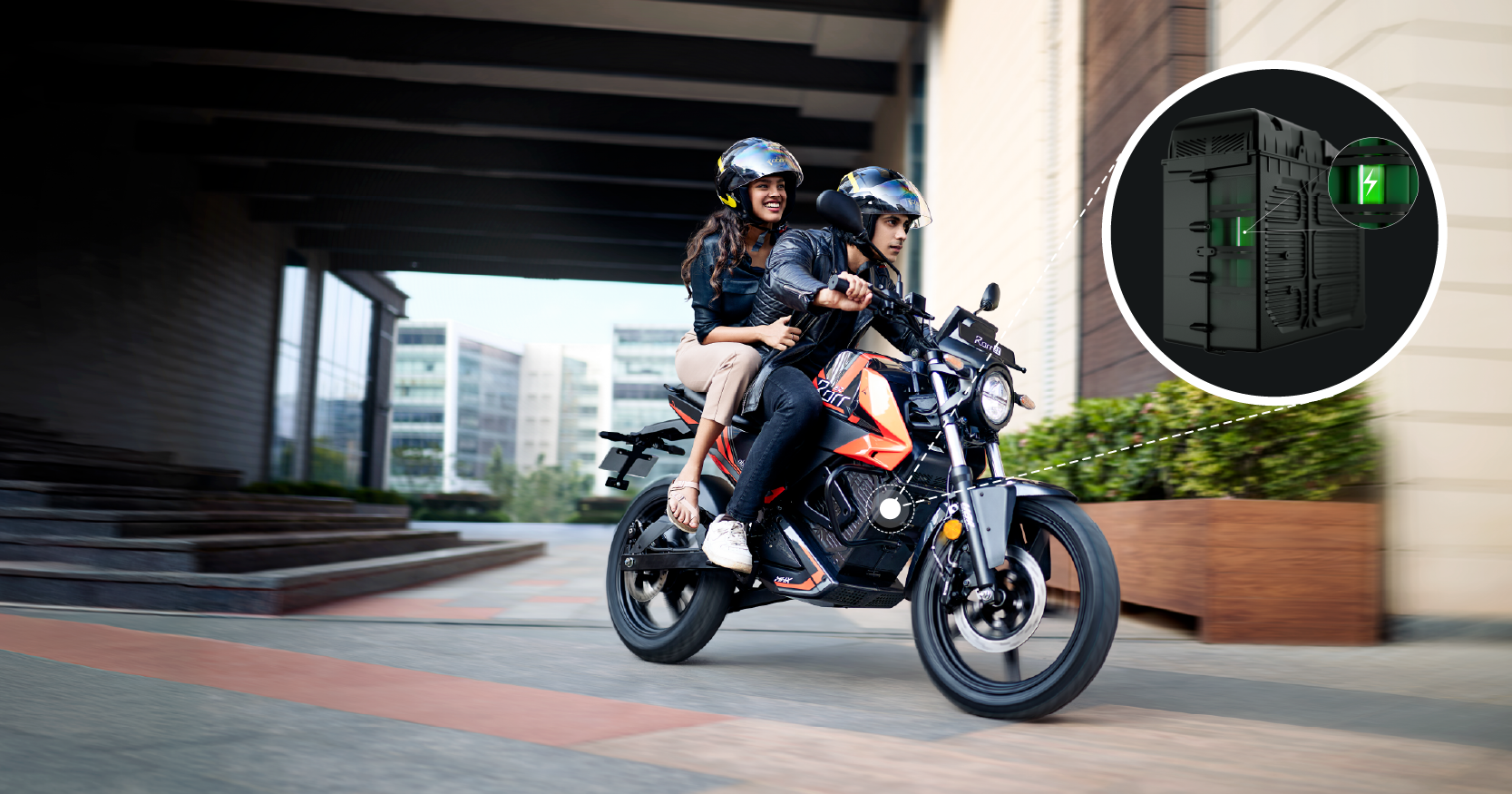
Table of Contents
- Why LFP Battery Bikes Are the Future of Electric Mobility in India (2026 Guide)
- What is an LFP Battery? (Lithium Iron Phosphate Explained)
- Top Benefits of LFP Battery in Electric Bikes
- Why Oben Electric Uses LFP Batteries?
- Oben Rorr EZ & Rorr EZ Sigma: India’s True LFP Battery Bikes
- LFP Battery vs Lithium-Ion & NMC: Key Differences Explained
- Real-World Performance of LFP Batteries in Indian Conditions
- Why the Future of Electric Bikes in India Belongs to LFP Batteries
- Common Myths About LFP Batteries (Explained)
- How to Maintain LFP Battery for Longer Life
- Conclusion: Should You Choose an LFP Battery Bike?
In 2025, electric two-wheeler sales in India recorded a strong 21% year-on-year increase, reaching nearly 1.15 million units. They also accounted for around 58% of total EV sales in the country, highlighting the continued consumer shift towards cleaner and more sustainable mobility.
At the heart of every high-performing electric bike lies its battery technology, the ultimate driver of its range and lifespan. Among emerging innovations, Lithium-Ferro Phosphate (LFP) batteries, which are used in Oben Electric bikes are rapidly gaining ground due to their safety and performance. Unlike traditional lithium-ion batteries, LFP batteries offer higher thermal and chemical stability, significantly reducing the risk of overheating or fire. Their cost efficiency further makes them a dependable choice for both manufacturers and riders in India’s evolving EV landscape.
Among the few brands pioneering this shift in India is Oben Electric. With high-performance LFP battery bikes in India, Oben Electric is engineering bikes specifically for India’s challenging road and weather conditions.
What is an LFP Battery?
An LFP battery is a type of lithium-ion battery wherein the cathode is made up of lithium iron phosphate as opposed to expensive and harmful materials like nickel and cobalt found in traditional lithium-ion batteries. This makes LFP a cleaner and safer electric bike battery alternative.
Oben Electric uses LFP batteries in it's electric bikes due to their unique blend of safety, longevity, and cost-effectiveness. LFP battery combined with our proprietary MHX Technology, significantly reduces the risk of overheating and potentially catching fire. This inherent safety makes it particularly attractive for use in Oben Electric bikes.
Top Benefits of LFP Battery in Electric Bikes
1. Environmental and Economic Benefits
LFP batteries use iron and phosphate, materials that are more abundant and cheaper than nickel and cobalt. For both manufacturers and consumers, this directly translates into lower costs. They also deliver a longer cycle life, resulting in fewer replacements over time and less battery waste.
2. Durable Performance
In terms of performance, LFP batteries have a slightly lower energy density than NMC batteries, which means they can store less energy per unit of weight. However, this is offset by their ability to sustain more charging cycles, which enhances their lifespan. LFP batteries can typically handle more charge cycles before their capacity degrades significantly, which makes them highly durable.
3. Unmatched Safety
Known for their superior thermal stability, LFP batteries in Oben Electric bikes can withstand high temperatures and stress without overheating or catching fire. This lower risk profile makes them particularly suitable for daily commuting, even in India’s demanding weather conditions. Additionally, LFP batteries are inherently stable and can withstand extreme conditions, including high temperatures or physical damage. Unlike many other battery types, LFP batteries are less likely to fail catastrophically in challenging circumstances or terrain.
4. Stable Performance at High Temperatures
Most NMC batteries (standard Li-Ion) lose efficiency when temperatures climb. LFP batteries, one of the most reliable types of EV battery available today, remain stable and continue to perform even in extreme heat. This makes them particularly well-suited for Indian summers, where temperatures can cross 45°C in several regions. So whether it's a scorching afternoon in Delhi or a humid day in Chennai, the battery keeps up without breaking a sweat.
5. Fast Charging Capability
One of the standout LFP battery benefits is faster charging without significantly degrading battery health over time. The Oben Rorr Evo charges from 0% to 80% in just 90 minutes, minimising daily downtime. This is especially useful for daily commuters who need a quick top-up and cannot afford to wait around for hours. Faster charging and longer battery life are a practical win on both fronts.
6. Low Self-Discharge Rate
LFP batteries lose very little charge when the electric bike is sitting idle. So even after a few days without riding, the battery retains its charge well. This is particularly handy during long weekends, travel breaks, or days when the bike just sits in the garage. No unpleasant surprises when it's time to head out.
Why Oben Electric Uses LFP Batteries?
Oben Electric is among the pioneers in manufacturing LFP battery bikes in India, having chosen this tech owing to the inherent consistency, safety, and performance. Every aspect of Oben Electric’s battery technology embodies its philosophy, “Made for India for the World”, built to endure the country’s diverse roads and daily riding conditions.
Here is how this innovation delivers on the road:
1. Longer Battery Life: Lithium-Ferro Phosphate battery bikes feature up to twice the lifespan of conventional lithium-ion batteries, giving riders more years of dependable performance.
2. Fast Charging Time: With Oben Plug, riders can charge their Oben Electric bikes from 0-80% in just 2 hours, making daily commutes effortless and downtime minimal.
3. Enhanced Safety: The battery pack is housed in an IP67-rated aluminium casing, offering complete protection against dust and water.
4. MHX (Maximum Heat Exchange) Technology: Oben’s proprietary MHX Technology enables 50% higher heat resistance, which allows for performance even in India’s harshest summers.
5. Efficient Power Delivery: Delivers smooth, consistent performance from 0 to top speed, with no lag or loss in acceleration.
Oben Rorr EZ & Rorr EZ Sigma: India’s True LFP Battery Bikes
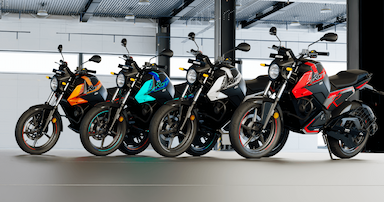
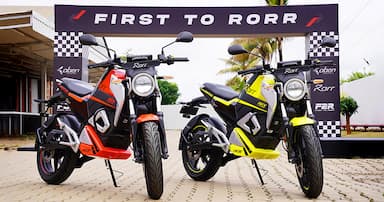
Oben Electric’s Rorr, Rorr EZ and Rorr EZ Sigma are powered by advanced LFP batteries, combining everyday commuting efficiency with performance.
The Rorr EZ Sigma is available in two battery variants - 3.4 kWh and 4.4 kWh, while the Rorr EZ comes in three battery variants - 2.6 kWh, 3.4 kWh, and 4.4 kWh, catering to different riding needs and range preferences.
LFP Battery vs Lithium-Ion & NMC: Key Differences Explained
After riders are happy with the electric bike’s range and love how it looks, the battery is the next big thing to check for. The type of battery housed underneath plays a big role in how the bike performs, how long it lasts, and how safe it is to ride every day. Yet most buyers never look beyond the spec sheet.
There are three main types of EV batteries in the market today:
LFP (Lithium Iron Phosphate).
Lithium-Ion (NCA).
NMC (Nickel Manganese Cobalt).
Each of them have their own strengths and trade-offs. Understanding the difference helps to make a smarter decision when buying an electric bike. Here is a quick EV battery comparison across the factors that matter most:
When it comes to LFP vs Lithium-Ion, LFP clearly wins in terms of safety, lifespan, and suitability for Indian conditions. And in the LFP vs NMC battery conversation, LFP trades a bit of energy density for significantly better thermal stability and a longer life, which makes practical sense for everyday riders.
Real-World Performance of LFP Batteries in Indian Conditions
Riding on Indian roads can be challenging - from scorching summers, when temperatures can go as high as 45°C, to sudden downpours and endless traffic snarls.
In such demanding conditions, Oben Electric’s battery technology, made for and tested in India, proves its mettle. With exceptional thermal stability and resistance to degradation, Oben Electric’s bikes ensure consistent performance.
Additionally, Oben Electric’s IP67-rated battery design shields against dust and water, guaranteeing smooth rides through monsoons and uneven terrains. Complementing this is the ARX frame, engineered for rock-solid stability and control that gives riders complete confidence on every journey.
Why the Future of Electric Bikes in India Belongs to LFP Batteries
As technology evolves, LFP batteries are only getting better — holding more energy and lasting longer. With an India-focused engineering philosophy, Oben Electric’s LFP battery bikes are a benchmark for safety, durability, and performance. Prioritising what matters most to Indian riders, Oben Electric has designed a reliable and powerful riding experience built for Indian roads.
Common Myths About LFP Batteries Explained
A lot of people have opinions about EV batteries. Some are based on facts, and some are not. There are a few myths around LFP batteries that keep coming up, putting off buyers who would actually benefit from this battery technology.
Here are the most common LFP battery myths, set straight:
Myth 1: LFP Batteries Are Low Performance
This one comes up often. The assumption that LFP batteries compromise performance because they prioritise safety and longevity is inaccurate. LFP batteries deliver strong, consistent power output throughout their life, and they do not experience sharp performance drops as they age. That is exactly why Oben Electric backs its LFP battery with a warranty of up to 8 years or 80,000 km. The Oben Rorr Evo also delivers a 180 km claimed range, which speaks for itself.
Myth 2: LFP Batteries Charge Slowly
LFP chemistry handles faster charging better than many other EV battery types without taking a significant hit on battery health. The Oben Rorr Evo charges from 0% to 80% in just 90 minutes, which is not slow by any standard.
Myth 3: LFP Batteries Are Too Heavy
LFP batteries are not too heavy but are slightly heavier than NMC batteries of the same capacity. The weight difference is barely noticeable in real-world riding. What riders gain in return are longer life, better safety, and lower maintenance, which far outweighs a marginal difference in weight.
How to Maintain LFP Battery for Longer Life?
How the battery is treated day to day directly affects how long it lasts and how well it performs over the years. The good news is that LFP batteries are low-maintenance by nature. A few simple habits go a long way.
Avoid Charging to 100% Every Day - Keeping the battery between 20% and 80% for daily use puts less stress on the cells. Save the full 100% charge for longer rides when the extra range is actually needed.
Do Not Let the Battery Drain Completely - Regularly draining the LFP battery to 0% can shorten its life over time. Try to plug in before it drops below 20%.
Charge After the Ride, Not Before - Charging right after a ride, when the battery is warm, is not ideal. Let it cool down for 15-20 minutes before plugging in.
Use the Original Charger - Third-party chargers may not be calibrated for the specific battery management system of the electric bike. Always use the charger that comes with the bike or one recommended by the manufacturer.
Keep the Bike Away from Extreme Heat - Parking under direct sunlight for long hours raises battery temperature unnecessarily. A shaded spot or covered parking makes a real difference over time.
Ride Regularly - LFP batteries prefer to stay active. Long periods of inactivity, especially at very low charge levels, can affect battery health. If the bike is not being used for a while, store it at around 50% charge.
A well-maintained LFP battery on an electric bike can last up to 8 years. Small habits, practised consistently, make that possible.
Conclusion: Should You Choose an LFP Battery Bike?
The battery is the component which determines how an electric bike performs today and how well it continues to perform years down the line. Choosing the best type of EV battery when buying an electric bike saves money, reduces hassle, and leads to a better overall EV ownership experience.
LFP batteries tick the right boxes for Indian riders: safe, long-lasting, low-maintenance, and built to handle the heat. The numbers back it up, too. Up to 8 years of battery life, 2,000 to 3,000+ charge cycles, and minimal servicing needs make it a practical choice for daily use.
Oben Rorr Evo is an electric bike built around a strong LFP foundation. It has 180 km claimed range, fast charging, and a battery warranty that actually gives long-term peace of mind.
The right type of EV battery is the one that works the hardest with the fewest problems. For Indian roads and Indian conditions, that is the LFP battery.
FAQs
An LFP battery is a type of EV battery known for its safety, long life, and stable performance, especially in high-temperature conditions like Indian summers.
A well-maintained LFP battery can easily last up to 8 years with minimum degradation. It handles 2,000 to 3,000+ charge cycles before any significant drop in performance.
For Indian conditions, yes. LFP handles heat better, lasts longer, and needs less maintenance than NMC, making it a more practical choice for daily riders.
No. LFP batteries support fast charging without significantly affecting battery health. The Oben Rorr Evo charges from 0% to 80% in just 90 minutes.
LFP batteries are among the safest EV battery types available. They are highly resistant to overheating and have a very low risk of thermal runaway, even under stress or in extreme heat.