- ALL
- TRENDING
- PERFORMANCE
- CHARGING
- BATTERY
- DESIGN
- TECH
- NEWS
Mastering the Art of Charging Your E-Bike: Complete Guide for Longer Battery Life
 Oben Electric
 Thu Aug 22 2024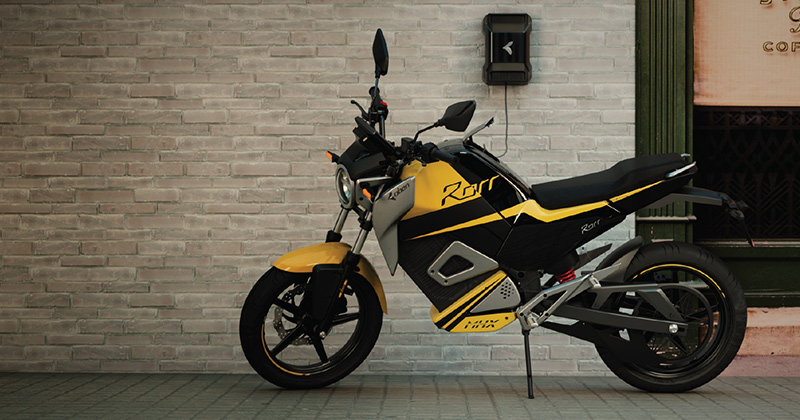
Table of Contents
- Mastering the Art of Charging Your E-Bike: Complete Guide for Longer Battery Life
- When Should You Charge Your E-Bike Battery? Ideal Charging Levels Explained
- How to Charge an Electric Bike Safely and Efficiently
- Step-by-Step Guide to Charging Your Electric Bike
- Tips to Improve Electric Bike Battery Life and Performance
- Common E-Bike Charging Mistakes to Avoid
- Conslusion
Mastering the Art of Charging Your E-Bike: Complete Guide for Longer Battery Life
A battery is the rechargeable component of an electric bike that stores electrical energy and powers the motor. It is the heart of any electric bike. Most e-bikes use Lithium-Ion (Li-ion) or Lithium Iron Phosphate (LFP) cell batteries. An electric bike’s battery capacity is measured in kWh. It directly correlates to the range of the electric bike. The higher the kWh, the more range you get on a single battery charge.
When Should You Charge Your E-Bike Battery? Ideal Charging Levels Explained
Most electric bike riders charge only when the battery is about to die. It feels logical to charge when empty, ride when full. But that habit does more damage to the battery health than most riders realise.
The 20%-100% rule is what actually keeps a battery healthy. Plug in when it drops to 20% and unplug once it hits 100%. Lithium cells work best when they aren't pushed to either extreme.Research indicates that avoiding frequent overcharges and deep discharges can significantly improve battery longevity by reducing internal chemical wear.
Here is a quick breakdown:
Below 20% - The battery cells are under strain. Letting it drop here regularly speeds up degradation.
20% to 100% - This is where the battery is healthy. Daily charging should stay in this window to keep the battery healthy for longer. Research shows that staying in this range can extend your battery’s total cycle life by 30%-60% by reducing internal chemical wear.
Overcharge - An occasional full charge is fine. But parking it at 100% for hours puts unnecessary stress on the cells.
When is the best time to charge?
The best time for e-bike battery charging is 15-20 minutes before and after a ride.
The battery heats up while riding. Plugging in to charge immediately after a ride puts it in an already stressed state. Give it 15-20 minutes to cool down first.
The Oben Plug supports 2x fast charging for the electric bike, charging the Oben Rorr Evo from 0% to 80% in just 90 minutes. After a fast charge, wait another 10-15 minutes before riding. This lets the cells settle before putting them back under load.
For standard charging, don't leave the bike plugged in overnight. Unplug once it hits the desired level.
How to Charge an Electric Bike Safely and Efficiently?
Charging an electric bike safely depends on three things: the right charger, the right environment, and the right habits. Here is a short e-bike charging guide on how to get it right:
Before You Plug In
The charger that came with the bike exists for a reason. Third-party chargers often don't match the battery's exact voltage and current requirements, and that mismatch adds up over time.
Give the charging port a quick check before connecting. Dust or moisture in the port can interfere with the connection.
Park in a spot with airflow. A closed room or direct sunlight traps heat — exactly what a charging battery doesn't need.
While Charging
Don't cover the bike while it charges. Heat builds up during charging and needs somewhere to go.
Keep the area around the charger clear. No clothing, no flammable items nearby.
After Charging
Once the battery hits the desired level, unplug. Sitting at full charge for hours isn't great for the cells, even with a BMS in place.
Wrap the charger loosely and store it somewhere cool and dry. A carelessly stored charger wears out faster than the battery itself.
LFP batteries in the Oben Rorr Evo handle heat better than standard lithium-ion cells. With it, a good Battery Management System (BMS) keeps the charging process safe.

Step-by-Step Guide to Charging Your Electric Bike
Follow these steps every time you charge. It takes no extra effort but makes a real difference to your e-bike battery charging habits and long-term battery health.
What is happening in the background?
While you follow these steps, the BMS (Battery Management System) in the Oben Rorr Evo is working quietly in the background. It tracks voltage, temperature and current in real time, protecting the LFP battery from overcharging, overheating, or a sudden power surge.
Tips to Improve E-Bike Battery Life and Performance
An electric bike battery is built to last. The way a battery is charged, stored, and used determines how long it lasts. It eventually comes down to simple and basic habits for long-term e-bike battery life:
Charging Habits
Stick to the 20%-100% rule for charging the electric bike daily.
Avoid frequent full discharges as they stress the battery cells.
Always use the manufacturer-provided charger. The Oben Port & Oben Plug for the Oben Rorr Evo.
Unplug the e-bike charger after reaching the desired charge level.
Storage Tips
If the electric bike is parked for a long period, keep the battery 100% charged.
Never store an electric bike with a fully depleted battery for weeks at a time.
Park the e-bike in a cool, indoor space and not in a garage that gets extremely hot or cold.
Temperature Management
Avoid charging or riding in extreme heat or cold
Don't leave the electric bike parked in direct sunlight for long hours.
After riding in hot conditions, let the battery cool before plugging in for charging
Riding Habits That Help
Smooth acceleration and braking reduce sudden or irregular battery drain.
Avoid unnecessary high-speed riding. It eats into e-bike battery life faster. Use the appropriate modes (Eco, City & Havoc) as per the riding conditions.
When going downhill, avoid forceful acceleration for the thrill of the speed, unless absolutely needed for any emergency. Let the regenerative braking system work and feed energy back into the battery.
General Maintenance
Get the battery terminals periodically checked for corrosion or loose connections.
Keep the battery firmware updated if your electric bike supports it.
Get the e-bike battery inspected as part of regular service.
A well-maintained battery on an electric bike lasts longer and performs better on every ride.
Common E-Bike Charging Mistakes to Avoid
Even careful e-bike riders make these mistakes, and the tricky part is that these mistakes build into poor e-bike battery charging habits. After that, they can quietly wear down the cells and shorten the battery's lifespan.
Overcharging the Battery
Keeping the battery at 100% SoC (State of Charge) for too long puts the cells under constant high-voltage stress. This accelerates internal wear and tear, quietly trapping the lithium needed for power and slowly reducing the battery capacity over time. A BMS prevents overcharging, but it cannot relieve the strain of sitting at full charge for hours.
Best Practice: Charge the e-bike battery up to 100% for daily use.
Frequent Full Discharge
Draining the battery to 0% regularly is one of the fastest ways to degrade it. Lithium cells experience significant stress at very low voltages. Studies show that keeping the discharge above 20% can nearly double the number of charge cycles a battery delivers.
Charging in Extreme Heat
Heat is a battery's worst enemy. Charging in high temperatures accelerates electrolyte breakdown inside the cell, permanently reducing capacity. This is especially relevant in Indian summers where ambient temperatures regularly cross 40°C.
LFP batteries, used in the Oben Rorr Evo, offer 50% higher heat resistance compared to standard setups, thanks to the proprietary MHX technology innovation by Oben Electric. They perform best when charged in a cool, ventilated space.
Using Cheap or Incompatible Chargers
An e-bike charger that doesn't match your battery's voltage and current ratings charges slowly and can cause overheating, cell damage, and, in extreme cases, thermal runaway. This is a serious safety risk.
Always use the manufacturer-provided charger. For Oben Electric bikes, the Oben Plug is specifically designed to deliver the right charge rate safely and efficiently.
Ignoring BMS Warnings
The Battery Management System constantly monitors voltage, temperature, and current. When it throws a warning as a flashing indicator, an error code, or an app alert, it's flagging a real issue. Ignoring it and continuing to ride or charge can cause irreversible cell damage.
If a BMS warning shows up repeatedly, get the battery inspected. Don't override or reset the warning without understanding the real cause.
Using a Damaged Charging Cable
A worn or tattered cable creates resistance at the point of damage. This generates heat during charging, right where you don't want it. It also risks inconsistent current delivery, which confuses the BMS and leads to inaccurate charge readings.
Inspect the charging cable regularly. If the insulation is cracked or the connector feels loose, replace it before it becomes a bigger problem.
Conclusion
The process of charging an e-bike is straightforward. The habits built around it are what separate a battery that lasts longer from one that doesn't.
Charge the e-bike battery between 20% and 100%, use the correct charger, park smartly, avoid direct sunlight, and don't ignore warnings if the BMS flags an issue. These are just good habits that most electric bike riders skip because nobody laid them out clearly.
Oben Electric bikes, equipped with modern LFP batteries, are built with the best e-bike battery technology, including MHX thermal management and a robust BMS. Even the best hardware needs the rider to meet it halfway.
Now you know. Build the right habits around e-bike battery life, and the battery will return the favour on every ride, for a long, long time.
Stick to the 20%-100% rule for charging the electric bike daily.
Avoid frequent full discharges as they stress the battery cells.
Always use the manufacturer-provided charger. The Oben Port & Oben Plug for the Oben Rorr Evo.
Unplug the e-bike charger after reaching the desired charge level.
If the electric bike is parked for a long period, keep the battery 100% charged.
Never store an electric bike with a fully depleted battery for weeks at a time.
Park the e-bike in a cool, indoor space and not in a garage that gets extremely hot or cold.
Avoid charging or riding in extreme heat or cold
Don't leave the electric bike parked in direct sunlight for long hours.
After riding in hot conditions, let the battery cool before plugging in for charging
Smooth acceleration and braking reduce sudden or irregular battery drain.
Avoid unnecessary high-speed riding. It eats into e-bike battery life faster. Use the appropriate modes (Eco, City & Havoc) as per the riding conditions.
When going downhill, avoid forceful acceleration for the thrill of the speed, unless absolutely needed for any emergency. Let the regenerative braking system work and feed energy back into the battery.
Get the battery terminals periodically checked for corrosion or loose connections.
Keep the battery firmware updated if your electric bike supports it.
Get the e-bike battery inspected as part of regular service.
Overcharging the Battery
Charging in Extreme Heat
Using Cheap or Incompatible Chargers
Ignoring BMS Warnings
Using a Damaged Charging Cable
FAQs
With the Oben Plug fast charger, the Oben Rorr Evo charges from 0% to 80% in just 90 minutes. The Oben Port standard charger typically takes longer to charge, depending on the battery size.
No. You should not charge your e-bike after every ride. First thing to do after a ride is to let the battery cool off for 15-20 minutes. You should charge your e-bike to 100% daily.
While you can use the Oben Port standard charger and plug it in overnight, it is best to unplug and not leave the battery at 100% for extended periods. This puts unnecessary stress on the cells. Unplug once it reaches the desired charge level, ideally 100% for daily use.
Frequent charging doesn't damage the battery as long as it stays within the 20-80% range. Frequent full discharges and overcharging are what damage the battery.
A room temperature between 20°C and 30°C is ideal. Avoid charging in direct sunlight or extremely cold conditions. Both extremes affect charging efficiency and long-term battery health.
At home using a standard socket with the Oben Port, at home or office with the Oben Plug for fast charging, or at any of Oben Net's 68,000+ charging stations across India.