- ALL
- TRENDING
- PERFORMANCE
- CHARGING
- BATTERY
- DESIGN
- TECH
- NEWS
Electric Bike Battery Types Explained: Which One Powers Oben Electric Bikes?
 Oben Electric
 Fri Nov 14 2025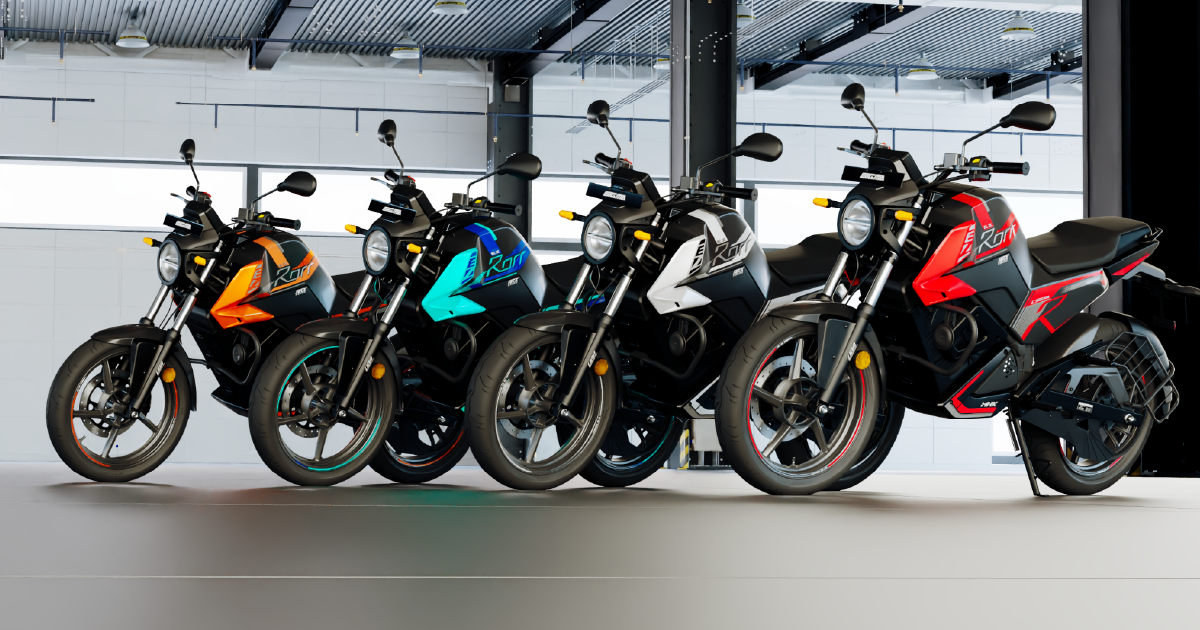
Table of Contents
- Electric Bike Battery Types Explained: Which One Powers Oben Electric Bikes?
- Major Electric Bike Battery Types in India (LFP vs Lithium-Ion vs NMC)
- Why LFP Batteries Are the Best Choice for Electric Bikes
- Real-World Benefits of Choosing the Right Electric Bike Battery
- LFP vs Lithium-Ion vs NMC: Detailed Comparison Table
- Common Myths About Electric Bike Batteries
- How to Maintain Your Electric Bike Battery for Longer Life
- Conclusion: Which Electric Bike Battery Type Should You Choose?
At the heart of any machine, such as an electric bike, is its battery, and this power hub decides how far you can travel on a single charge, how swiftly the bike will accelerate, how fast it charges, and how long it will last.
But with so many electric bike options flooding today's market, you might be confused about which type of batteries used in these vehicles are best suited for Indian roads and hot climates. Not all batteries are built to handle the heat and long rides that Indian riders expect.
In India, temperatures are high and roads are tricky to navigate, so batteries need to be reliable, safe, and also durable. That's why Oben Electric uses innovative Lithium Ferro Phosphate (LFP) batteries, with superior heat resistance, safety, and longevity.
In this blog article, we'll explore electric bike battery types and why Oben Electric uses Lithium Ferro Phosphate (LFP) battery Technology to power its bikes.
Major Electric Bike Battery Types in India (LFP vs Lithium-Ion vs NMC)
Electric bikes run on different battery chemistries, and each one performs differently when it comes to heat, lifespan, and daily use. For riders looking to buy an electric bike in India, understanding the differences between the types of EV batteries can save a lot of money and trouble down the road.
Three battery types dominate the Indian EV space right now: LFP, Lithium-Ion, and NMC.
LFP - Lithium Iron Phosphate (also, Lithium Ferro Phosphate)
LFP batteries use iron and phosphate in their cathode, which makes them chemically very stable. They don't overheat easily, and they last significantly longer than most alternatives. Energy density sits between 90-160 Wh/kg, with high-performance versions reaching up to 205 Wh/kg. That is sufficient for most daily commuting needs. This means a rider who charges daily can expect the battery to last well up to 8 years or 80,000 kms without major degradation.
In 2025, LFP surpassed nickel-based chemistries to become the dominant EV battery chemistry globally for the first time, with demand growing 48% year-on-year, according to research. Asia Pacific held 51.59% of the global LFP battery market share in 2025, according to Fortune Business Insights. That shift is a clear indicator of how rapidly this chemistry is being adopted across the region.
Pros: Long lifespan, high thermal stability, no cobalt, lower long-term cost.
Cons: Slightly lower energy density compared to NMC.
Lithium-Ion (Li-ion)
Lithium-ion is a broad category, not a single battery type. It covers several chemistries, and most entry- to mid-range electric bikes use standard Li-ion cells, as they offer a workable balance of cost and weight.
Energy density for standard Li-ion cells sits between 150-250 Wh/kg, which works for shorter city commutes. The concern, however, is how quickly they age. Real-world usage, factoring in heat, charging frequency, and discharge patterns, can push capacity loss beyond 20% before even hitting 1,000 cycles, as noted in astudy on Li-ion battery degradation. In Indian conditions, where peak summer temperatures regularly cross 40°C, that timeline shrinks further.
Pros: Widely available, affordable upfront, lightweight
Cons: Shorter lifespan, higher sensitivity to heat, faster degradation over time
NMC - Nickel Manganese Cobalt
NMC batteries pack more energy per kilogram than LFP. Energy density ranges from 150-250 Wh/kg, with advanced cells crossing 300 Wh/kg, which means more range from a lighter pack. That energy advantage, however, comes with trade-offs.
LFP batteries are roughly 20%-30% cheaper per kWh compared to NMC, largely because NMC relies on cobalt, a material that is both costly and raises environmental concerns around mining. NMC batteries typically deliver 1,000 to 2,000 cycles, compared to LFP's 2,000 to 5,000. For a rider who uses their bike daily, that gap in lifespan amounts to a significant difference in long-term value.
Pros: High energy density, strong power output, compact size
Cons: Contains cobalt, higher cost, less thermally stable than LFP
LFP vs Lithium-Ion vs NMC: At a Glance
For Indian riding conditions, where temperatures regularly cross 40°C and bikes are used daily, the choice of electric bike battery type directly affects how long the battery lasts and how safely it performs. Cycle life and thermal stability matter more than peak energy density. LFP checks both boxes.
The Oben Rorr Evo is built around this thinking, pairing an LFP battery with Oben’s proprietary MHX technology that offers 50% higher heat resistance than standard setups. This makes it one of the more practical choices for year-round Indian commuting.
Why LFP Batteries are the Best Choice for Electric Bikes?
Choosing the right EV battery type comes down to one question: “How does it hold up in real conditions, day after day?” For Indian riders, it means dealing with peak summer heat, daily charging, and years of use. LFP handles all three better than the alternatives.
Here is what sets it apart.
Stable Performance at High Temperatures
Most battery chemistries lose efficiency as temperatures climb. LFP is built differently. Its iron-phosphate structure stays chemically stable even under sustained heat, which is why it holds up on Indian roads where other batteries start to degrade.
Oben Electric pairs its LFP battery with proprietary MHX technology, which offers 50% higher heat resistance compared to standard setups. That is not a minor upgrade. In India, where summers regularly cross 40°C, it directly affects how consistently the electric bike performs.
Fast Charging Capability
LFP batteries generally support faster charging compared to other lithium-ion chemistries. It is a practical advantage for daily riders who cannot afford long charging windows. Less time plugged in, more time on the road. The Oben Rorr EZ Sigma charges from 0% to 80% in under 2 hours.
Low Self-Discharge Rate
A battery that drains itself while parked is a problem most riders do not think about until it happens. LFP batteries lose just 1%-3% of charge per month when idle, compared to 5%-10% per month for conventional lithium-ion batteries. For someone who parks their electric bike over a long weekend or during a holiday, that difference is very real.
Environmentally Friendlier Chemistry
LFP batteries do not contain cobalt, a material associated with environmental and ethical concerns in other lithium-ion chemistries. The materials used, iron and phosphate, are more abundant and pose fewer supply chain issues. For riders who factor sustainability into their buying decisions, this matters.
Together, these LFP battery benefits add up to something straightforward: a battery that is safer, lasts longer, costs less to run over time, and does not ask much of the rider. For everyday electric bike use in India, that is a hard combination to argue against.
Oben Electric Bike Models Powered by LFP Batteries
Oben Electric offers a range of models powered by advanced LFP battery technology:
1. Oben Rorr EZ Sigma: Oben Rorr EZ Sigma electric bike is available in 3.4 kWh and 4.4 kWh LFP battery options, with a top speed of 95 km/hr and a range of up to 175 km (IDC). It also features a colour TFT display, reverse mode, navigation, and stunning graphic designs.
2. Oben Rorr EZ: These come with LFP battery options 2.6 kWh, 3.4 kWh, and 4.4 kWh for urban commuters.
3. Oben Rorr: With a top speed of 100 km/hr and a range of 187 km (IDC), Oben Rorr features neo-classic styling and comes with a 4.4 kWh LFP battery option.
All models support fast charging i.e. about 0 to 80% in about two hours, while the battery is housed in an IP67 rated aluminium metal casing for dust protection and water immersion up to 1 meter for 30 minutes.
Also Read: Best LFP Battery Bikes in India
EV battery performance looks great on paper. Here is how the choice plays out in daily use on an electric bike. The average two-wheeler in Indian cities covers up to 40 kms per day. A degrading battery quietly shrinks that range month after month. LFP holds capacity across 2,000 to 5,000 cycles, whereas Li-ion starts dropping within 500 to 1,000 cycles. The range an Oben Electric bike promises on day one stays closer to what it delivers two or three years later. Standard Li-ion and NMC batteries are more sensitive to heat, which speeds up ageing and reduces usable range over time. LFP batteries stay chemically stable at higher temperatures, which means more consistent range and slower degradation through India's hottest months. It is a critical advantage for electric bike riders in India. Shorter cycle life means earlier battery replacement, a significant expense. LFP's longer lifespan translates to lower running costs of electric bike ownership. Lower maintenance costs, overall, with fewer replacements and less downtime. Oben backs its LFP battery with up to 8 years of extendable warranty. Riders are covered for a long term without worrying about replacement costs eating into their savings. LFP is far less prone to thermal runaway compared to NMC or standard Li-ion. Its chemical stability reduces risk during home or public charging, an everyday concern for most riders. Electric bikes running on advanced battery technology like LFP are eligible for government subsidies. Under current PM E-Drive guidelines, eligible electric bikes can receive up to ₹2,500 per kW of the battery, capped at ₹5,000 per vehicle for FY 2025–26, subject to conditions. Choosing the right electric bike battery depends on how each chemistry performs across the parameters that matter most in daily use. For an electric bike built for long rides on Indian roads, LFP leads across every parameter that matters: lifespan, heat resistance, safety, and running cost. The Oben Rorr Evo delivers up to 180 km of claimed range on an LFP battery, proving that long-range performance and chemistry reliability are not a trade-off. The EV battery comparison above makes that case clearly. There is a lot of misinformation around EV batteries. Some of it is outdated, some of it is based on older battery technology. Here are a few EV battery myths and what is actually true. This dates back to the early days of lead-acid and nickel-cadmium batteries, which did wear out quickly. Modern LFP batteries are a different story altogether. They deliver 2,000 to 5,000 charge cycles, well beyond what most riders will use in five years of daily commuting. With basic care, the battery outlasts most people's expectations. This habit comes from older nickel-cadmium batteries, which had a "memory effect" and needed full discharge cycles. Lithium batteries work differently. Fully draining a lithium battery actually stresses the cells and shortens its life. The better habit is to keep it between 20%-80% charge and top it up regularly rather than waiting for it to run out. Some riders assume that LFP's slightly lower energy density means weaker range or performance. That is not accurate. The Oben Rorr Evo delivers up to 180 km of claimed range on an LFP battery, with regenerative braking and a BMS actively managing performance. Long-range riding and LFP chemistry work well together. Frequent charging does not ruin a modern lithium battery's lifespan. What actually causes damage is charging in extreme heat, consistently overcharging, or draining to zero. Topping up within the 20%-100% range after every ride is perfectly fine — and actually the recommended practice. Battery fire incidents that made headlines were linked to low-quality, uncertified Li-ion cells, not LFP. LFP's iron-phosphate chemistry is far more thermally stable and significantly less prone to thermal runaway. For a rider charging at home every night, that difference in chemistry is a genuine safety advantage. Small habits make a big difference in how long an EV battery lasts. Here is what every electric bike rider should follow: Charge between 20%–100% for daily use. Avoid deep discharge or overcharging regularly Always use the manufacturer-approved charger. Oben Plug (fast-charger) and Oben Port (standard charger) for Oben Electric bikes. Do not leave the battery on charge overnight or unattended Store at 100% charge if the bike will not be used for weeks. Keep the battery in a cool, dry place between 15°C and 25°C Never park the electric bike in direct sunlight for extended periods Let the battery cool down before charging after a long ride in the heat. Storing in moderate temperatures of 15°C-25°C can extend battery lifespan Clean battery terminals periodically with a dry cloth. Watch for swelling, unusual heat, or cracks after charging and act on these early Follow the manufacturer's recommended service intervals for battery checks.Real-World Benefits of Choosing the Right Electric Bike Battery
Daily Commuting
Heat and EV Battery Performance
Long-Term Cost
Safety
Subsidy Eligibility
LFP vs Lithium-Ion vs NMC: Detailed Comparison Table
Common Myths About Electric Bike Batteries
Myth 1: Electric bike batteries do not last long
Myth 2: You should fully drain the battery before charging
Myth 3: LFP batteries cannot handle long rides
Myth 4: Charging your electric bike frequently ruins the battery
Myth 5: Electric bike batteries catch fire easily
How to Maintain Your Electric Bike Battery for Longer Life
Charging
Storage & Parking
Temperature Care
General Upkeep
Conclusion: Which Electric Bike Battery Type Should You Choose?
With a variety of electric bike batteries available on the market, the advantages of LFP batteries, such as superior safety, longevity, and environmental friendliness, make them the go-to choice for urban commuters.
Unlock greater performance with a single charge offering extended IDC range and 2X longer battery life through innovative LFP Battery technology used in Oben Electric bikes. Monitor your battery health easily with updates on your smart app.
FAQs
Oben Electric bikes use LFP (Lithium Iron Phosphate) batteries. LFP offers high thermal stability, a long cycle life of 2,000-5,000 cycles, and is paired with Oben's proprietary MHX technology for 50% higher heat resistance.
LFP is the best battery type for electric bikes in India. It handles heat well, lasts longer than Li-ion or NMC, and costs less to maintain over time, making it ideal for Indian riding conditions.
An LFP battery typically lasts 2,000-5,000 charge cycles, roughly five to ten years of daily use. Standard Li-ion batteries last 500-1,000 cycles. Lifespan depends on charging habits, storage, and temperature care.
Yes. LFP batteries are significantly more thermally stable than standard Li-ion batteries. They are far less prone to thermal runaway, making them a safer choice for daily home charging and regular use in high-temperature conditions.
Oben Electric bikes run on LFP batteries, chosen for their safety, long lifespan, and heat resistance. Combined with MHX technology and a built-in BMS, they are built for consistent performance on Indian roads.